

Smart induction cookware is rapidly changing the way home cooks control their kitchen—by merging connectivity, automation, and precision with everyday pots and pans.
Key Takeaways
- Smart induction cookware is driving global market growth, with projected value reaching $4.14 billion by 2030 (source).
- True “smart” cookware combines connectivity (Wi-Fi/Bluetooth), mobile app controls, and often works with voice assistants.
- Adoption comes with practical challenges: compatibility, app reliability, and technical hurdles matter as much as features.
- The Core Concept of Smart Induction Cookware
- Step-by-Step Guide to Getting Started
- Advanced Analysis & Common Pitfalls
- Conclusion
- FAQ
The Core Concept of Smart Induction Cookware
Smart induction cookware reimagines what a “pot” or “pan” can be. Unlike traditional induction-ready cookware, smart options feature built-in connectivity—typically Wi-Fi or Bluetooth—to allow communication between cookware, induction hob, and your smartphone or voice assistant. This lets you set precise temperatures, schedule cooking programs, or monitor cooking in real time, even from the living room.
The market for smart induction ranges reached USD 4.2 billion in 2024, showing the trend is not just a fad. Key drivers include increased focus on energy efficiency, user demand for convenience, and the integration of smart homes.
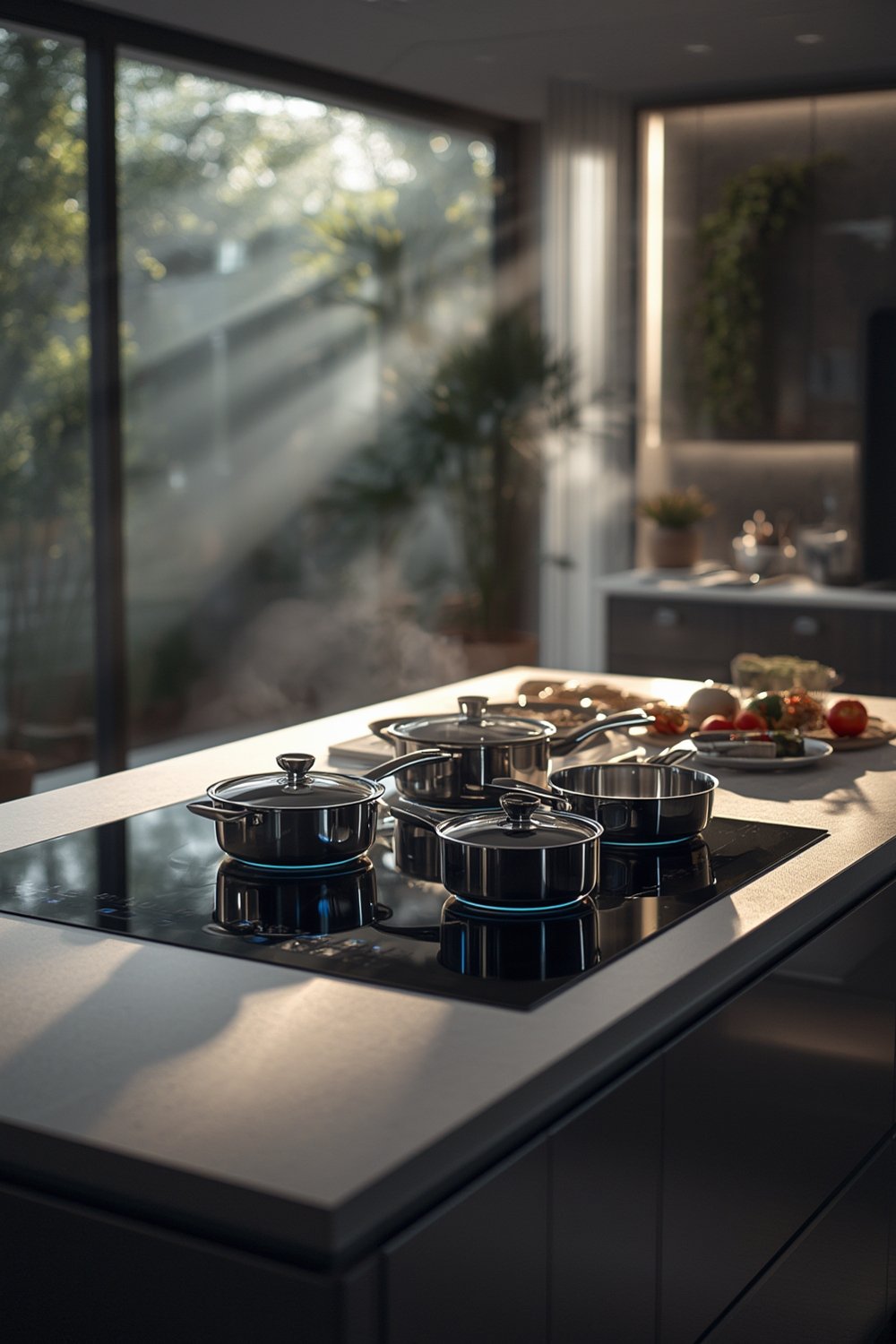
Advanced features sometimes include touch interfaces, voice assistant controls, and preset, automated cooking routines. However, it’s important to realize that not all “smart” cookware is truly interoperable—brand and model compatibility can limit the full benefit.
Those living in small kitchens may especially benefit, as consistent temperature control and automation can mean less time watching your stove and more time optimizing space. Resources like this guide to maximizing storage can pair well with such a high-tech kitchen approach.
Step-by-Step Guide to Getting Started
Making the switch to smart induction cookware is easier than it may seem, but there are a few key steps to follow to ensure you choose the right products and set up your kitchen for seamless connectivity and control.
- Assess Your Current Setup.
- Ensure your induction hob supports external connectivity or app integration, if you want to maximize automation.
- If not, focus on smart cookware that works independently via a mobile app.
- Tip: Explore storage strategies for keeping smart cookware and accessories neatly accessible—see these organization hacks for tight kitchen spaces.
- Choose Your Smart Cookware Wisely.
- Look for products with Wi-Fi or Bluetooth. Read technical specs—cheap models may lack true smart features.
- Check for support with mainstream voice assistants (like Alexa or Google Assistant) if you want hands-free control.
- Consider models with app-based sensors for temperature sensors, not just remote on/off.
- Install and Connect Mobile Apps.
- Download the app recommended by your cookware’s manufacturer.
- Pair the cookware with the app; ensure your phone’s OS version is supported.
- Explore all automation and alert settings—the difference between a “smart” product that’s helpful and one that’s just flashy often lies in the app.
- Test Real-World Use Cases.
- Try preparing basic stovetop meals with only remote or automated controls enabled. Can you walk away for 15 minutes and have the result you want?
- Test voice controls if available—it’s handy when your hands are full.
- Optimize for Storage & Efficiency.
- Integrate containers, racks, or vertical shelving to keep charging docks, power cords, and smart lids tidy. Explore vertical storage hacks to reclaim your workspace.
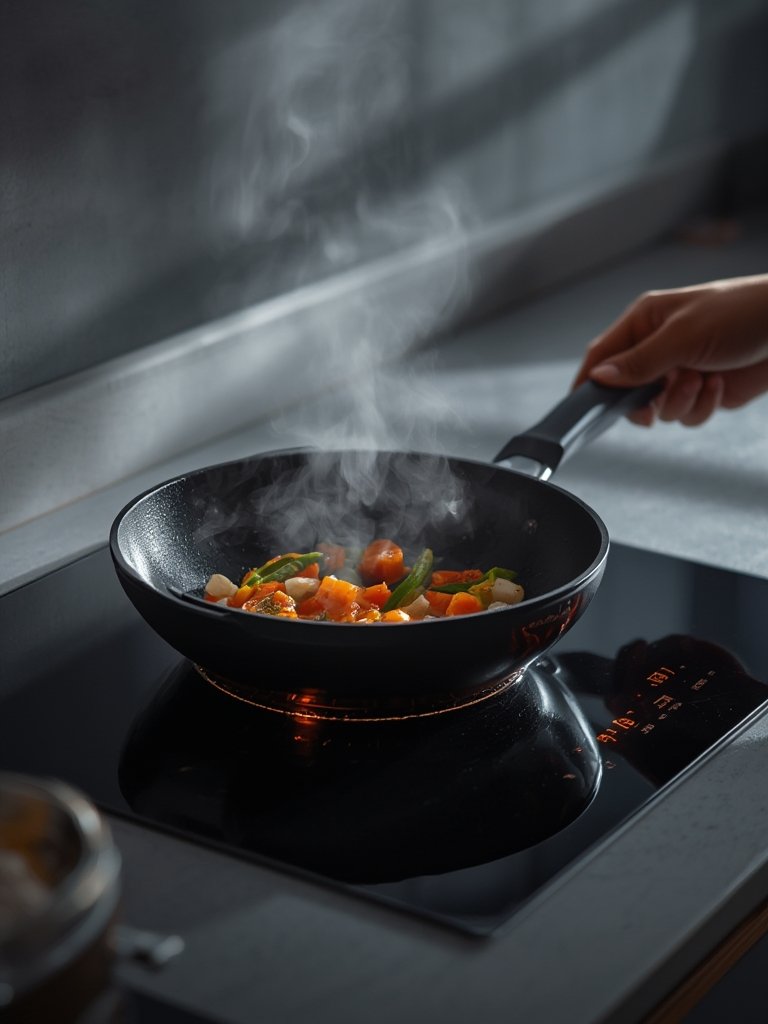
For even tighter kitchens, adapt your storage and charging plans. See expert efficiency tips here or browse pantry organization ideas here to prevent clutter from new tech additions.
Advanced Analysis & Common Pitfalls
While the promise is high, moving to smart induction cookware is not always seamless. Here are some practical issues and technical pitfalls to watch for, drawn from current research and evolving product reports.
- Compatibility limitations. Not all “smart” cookware is truly universal. Some brands lock features behind single-app ecosystems or require specific induction hob models.
- Connectivity dropouts. Wi-Fi or Bluetooth signal problems can lead to control interruptions mid-cook.
- App usability issues. Not all mobile apps are polished—some may be buggy, slow, or insufficiently updated to work with new devices or OS versions.
- Learning curve. Advanced controls add complexity. Forgetting to activate or properly connect can mean reverting to manual operations.
- Lack of published specs. Detailed temperature sensors, full compatibility lists, or safety shutoff info are not always transparent—users may need to experiment.
Below is a quick feature comparison for reference, based on market data for smart induction cookware options:
| Feature | Standard Induction Cookware | Smart Induction Cookware |
|---|---|---|
| Induction ready | Yes | Yes |
| Wireless Connectivity | No | Yes (Wi-Fi/Bluetooth) |
| Mobile App Control | No | Yes |
| Voice Assistant | No | Some models |
| Preset Cooking Programs | No | Yes |
| Integrated Sensors | Rare | Some models |
According to research, smart induction cookware is a rapidly growing segment, with the US market worth $0.95 billion in 2024 and strong growth forecast (source). However, technical specifications aren’t always transparent, so be prepared to read between the lines.
In the Asia Pacific region, urbanization and higher demand for energy-efficient solutions are fueling an 8.6% CAGR for induction cookware (source).

Conclusion
Smart induction cookware is reshaping how we cook, offering flexibility, automation, and energy savings that traditional tools simply cannot match. As usage expands, it’s important to research both the technical specifications and compatibility demands. By taking the right preparatory steps and realistic outlook, you can maximize the utility of smart induction cookware in your kitchen—especially if combined with modern storage solutions or efficient kitchen layouts. Ready to upgrade? Start with researching model compatibility and user reviews before buying. Get the smartest pot in the room and cook with confidence.
FAQ
What makes cookware “smart” for induction cooking?
Smart induction cookware connects wirelessly (Wi-Fi or Bluetooth) to enable app-based or voice controls, preset programs, and real-time monitoring. Standard induction cookware, while compatible with induction hobs, does not offer these smart features.
Can I use smart induction cookware with any induction hob?
Not always. Some smart features may only work with specific hobs, brands, or require companion apps. Confirm both sides for interoperability before purchase.
Are there disadvantages to smart induction cookware?
Yes. You may face app compatibility problems, unstable wireless connections, or brand “lock-in” that limits future upgrades. Traditional manual controls may be more reliable for some users.
Is smart induction cookware worth the investment?
It depends on your cooking style, tech comfort, and kitchen setup. Automation can be a huge convenience, especially for multitasking or precision cooking, but be sure you want these features and will use them regularly.
How do I organize and store smart induction cookware in a small kitchen?
Take advantage of vertical shelving, wall-mounted racks, or stacking containers to keep new tech gear organized. See these kitchen storage tips for more ideas.