

Dirty kitchen design has become a defining feature in luxury and high-efficiency homes—offering a practical way to keep the main kitchen clean and ready for entertaining, while all the mess happens out of sight. Whether you’re remodeling or building new, understanding what it really takes to add a secondary kitchen will set you up for a space that is functional, not just fashionable.
Key Takeaways
- Dirty kitchen design costs start at around $60,000 and typically include full appliances, deep sinks, and heavy-duty ventilation.
- Professional designers recommend customized storage and clear workflow separation to maximize function and keep your main kitchen pristine.
- Ventilation, workflow, and cleaning challenges are real—plan technical details carefully and avoid common pitfalls for lasting satisfaction.
- What is Dirty Kitchen Design and Why Choose It?
- How to Plan and Build Your Dirty Kitchen: Step-by-Step
- Advanced Analysis & Common Pitfalls in Dirty Kitchen Design
- Conclusion
- FAQ
What is Dirty Kitchen Design and Why Choose It?
Dirty kitchen design refers to a secondary kitchen—sometimes called a scullery, back kitchen, or prep kitchen—separate from the main visible kitchen. Its core purpose is to keep cooking mess, heavy prep, and dishwashing out of the way so your main kitchen remains clean, organized, and guest-ready.
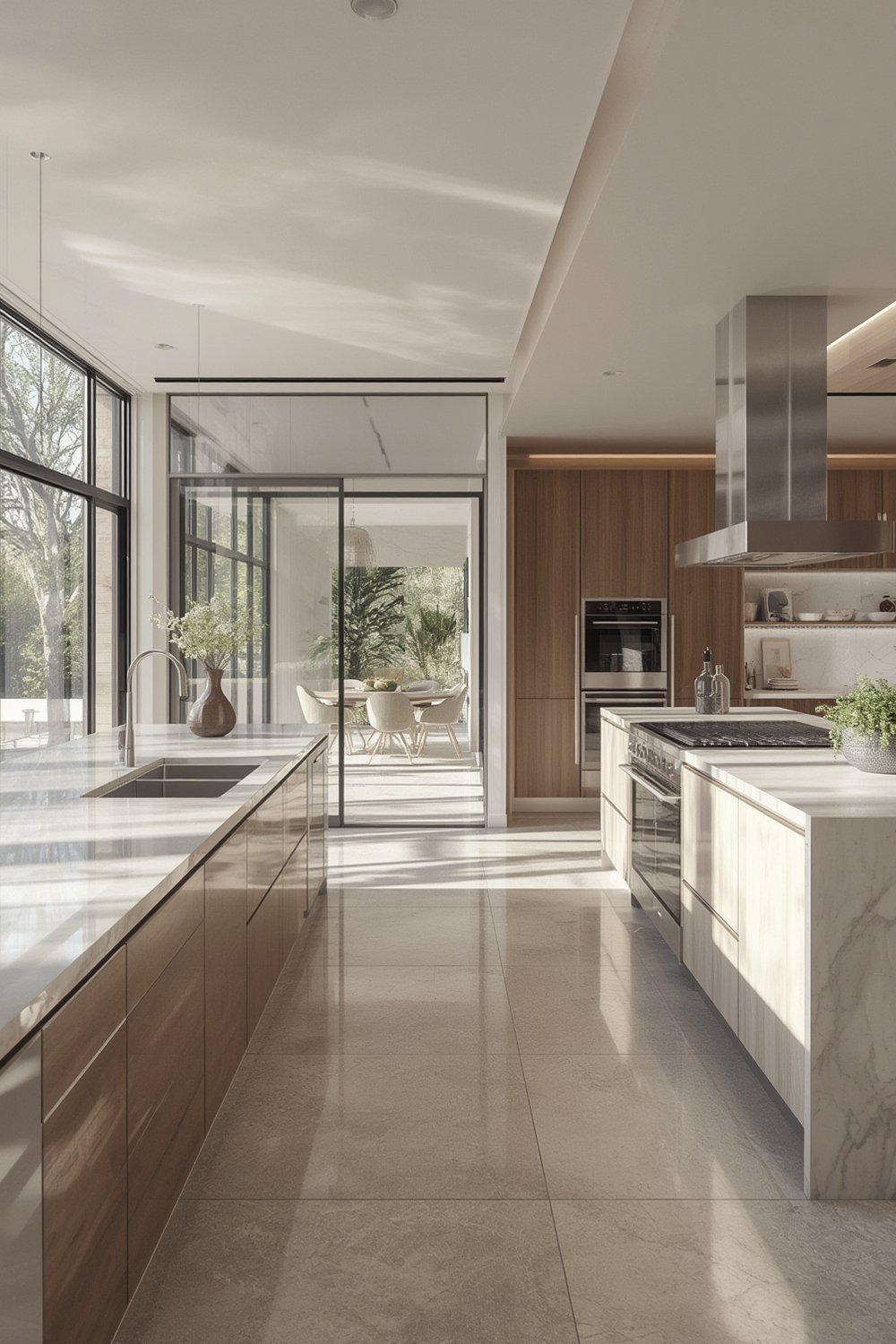
These spaces have surged in popularity in luxury new builds and major remodels since open-concept layouts expose kitchens to entertaining spaces and guests. While there are no hard statistics, multiple real estate experts report a clear upward trend in demand for dirty kitchens, prep kitchens, and sculleries as a modern must-have for upscale properties[source][source].
Dirty kitchens are not just about adding space—they are about workflow, storage, and serious upgrades: think deep sinks, full cooktops, commercial-grade ventilation, and ample counter space, all hidden just out of sight from your main living area.
For small homes looking for creative storage, some strategies from dirty kitchens—like custom organizers and appliance garages—work beautifully. Check out expert advice on kitchen organization for compact spaces for more ideas.
How to Plan and Build Your Dirty Kitchen: Step-by-Step
- Define Your Dirty Kitchen’s Purpose
Is your goal to hide mess, increase prep space, add a baking center, or manage large-scale entertaining? Get specific. This will determine your layout, appliance list, and required utilities. - Choose the Location and Layout
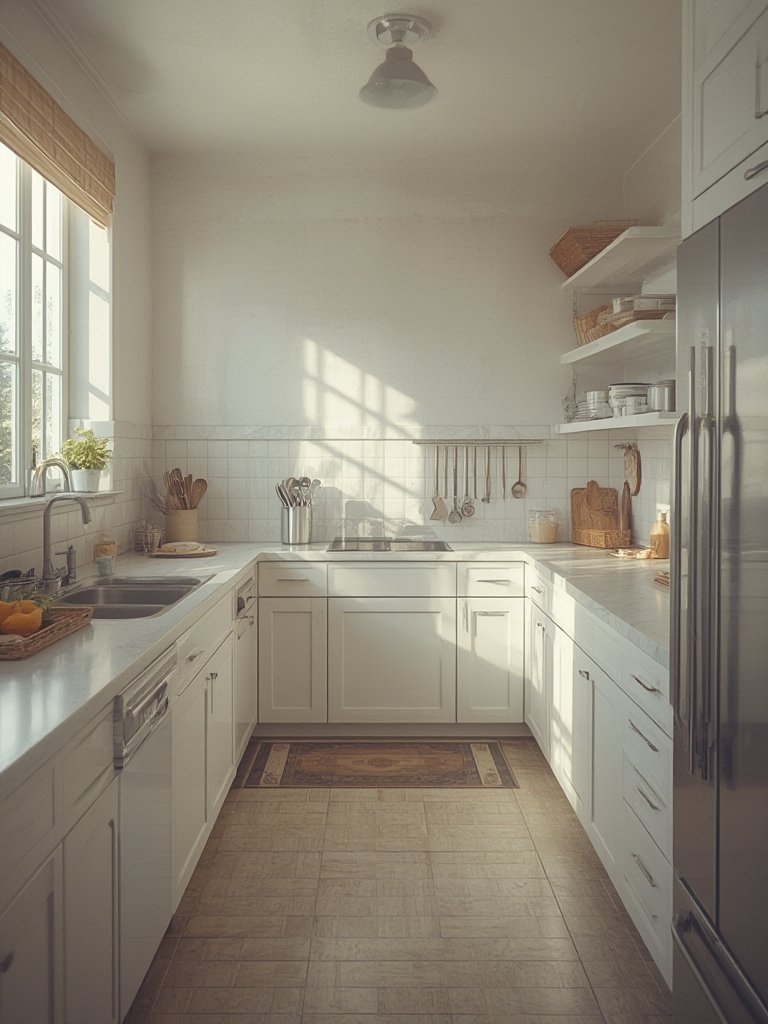
Ideally, the dirty kitchen is adjacent to the main kitchen for easy workflow but separated by a door or partition. Popular configurations are galley style, L-shape, or concealed walk-in spaces. - Set Your Budget and Prioritize Features
Budget realistically. Complete builds start at $60,000 for full cabinetry, counters, plumbing, and premium appliances, but can go much higher based on size and finishes[source]. List appliances that are essential: cooktop, wall oven, dishwasher, refrigerator, deep sink, and plan for robust ventilation. If you’re on a smaller scale, you might focus on essentials only. For clever budget tricks, explore pantry and storage hacks. - Engineer Your Utilities
Plan dedicated runs for water, drain, heavy-duty electrical, and ventilation. This requires involvement from licensed professionals. Use deep sinks, consider extra power circuits for multiple high-draw appliances, and specify a commercial-grade ventilation hood at least as strong as your main kitchen’s. - Design Storage for Workflow
Install floor-to-ceiling custom cabinets, deep drawers, and appliance garages. Segregate zones for cleaning, prep, and cookware to speed up cleanup and maximize efficiency. Smart storage solutions are essential—see these expert tips for maximizing compact storage. - Finalize Surface and Finish Choices
Durable, easy-clean countertops and backsplashes are important. Non-slip flooring and bright, easy-wipe materials will keep maintenance simple. Avoid finishes that stain or etch easily. - Plan for Access and Transitions
Consider the visual and practical flow between your dirty kitchen and main kitchen. Rolling or hidden doors, frosted glass panels, or partial partitions can provide the right balance of access and privacy. - Build and Install
Work with qualified contractors. Use a detailed checklist to verify every stage—plumbing pressure test, ventilation airflow check, electrical load. Don’t forget storage accessories and final inspection.

For small homes or open-concept designs, you don’t have to miss out. Adapt ideas from vertical kitchen storage solutions to make even a modest butler’s pantry do double duty—for appliances, snacks, or coffee bars tucked behind pocket doors.
Review key workflow steps regularly to ensure your new space truly supports your daily habits. If the transition between your main and dirty kitchen isn’t smooth, adjustments in layout or storage may be needed after move-in.
Advanced Analysis & Common Pitfalls in Dirty Kitchen Design
Despite glowing reviews, every major design choice has tradeoffs. Below are realistic risks and actionable fixes based on actual project feedback and industry research.
- Ventilation Failures: A weak exhaust system can cause odors and grease to leak into the main home. Always specify commercial-grade hoods with high CFM (cubic feet per minute) ratings appropriate to your appliance set.
- Plumbing Mismatches: Deep sinks require proper drainage and water supply lines—undersize piping can lead to slow drains or low water pressure over time.
- Electrical Overload: Running several high-powered appliances at once needs upgraded circuits—factor breaker capacity and dedicated lines into your plan.
- Workflow Bottlenecks: Poor door placement or lack of separation can ruin the “out of sight, out of mind” benefit. Always test your design for traffic flow, including trash and dish movement.
- Underused Space and Cleaning Chores: Dirty kitchens require cleaning discipline. If you seldom entertain, the investment may not pencil out—especially if storage is hard to access or cleaning becomes a chore. For highly usable small space ideas, browse this pantry organization and container guide.
| Feature | Dirty Kitchen | Scullery | Butler’s Pantry |
|---|---|---|---|
| Typical Cost (2024) | Starts at $60,000+ | $20,000–$40,000 est. | $10,000–$30,000 est. |
| Appliances Included | Full suite (cooktop, oven, fridge, dishwasher, vent hood) | Sink, dishwasher, storage, minor appliances | Coffee/beverage station, storage |
| Best For | Frequent entertainers, serious cooks, open-concept homes | General prep, moderate entertaining | Serving, light storage, beverage prep |
| Cleaning Commitment | High (full kitchen) | Moderate | Low |
Most online articles focus on storage and appliances but skip hidden essentials: robust ventilation specs, electrical upgrades, and cleaning logistics. If you want your dirty kitchen to be a lasting asset, work closely with professionals for MEP (mechanical, electrical, plumbing) and do a simulation of typical use before finalizing plans. For even more storage and layout inspiration, check practical small kitchen organization strategies.
Conclusion
Dirty kitchen design brings real value to homes that demand flexibility, organization, and spotless entertaining spaces. Costs and complexity are higher than simple pantries, but so are the benefits—if you get the workflow, storage, and technical setup right. Remember, the best dirty kitchen design is one you’ll actually use every day, not just show off at parties.
Ready to transform your space? Start planning your dirty kitchen with a clear workflow strategy and technical checklist; consult professional designers and contractors who understand the unique requirements of secondary kitchens. If you want more space-saving ideas for any kitchen size, check out our organization guides for practical inspiration.
FAQ
What is the difference between a dirty kitchen and a butler’s pantry?
A dirty kitchen is a fully equipped secondary kitchen for heavy prep, cooking, and cleaning—often with its own cooktop, oven, dishwasher, and ventilation. A butler’s pantry is mainly a storage and staging area, usually focused on beverages, small appliances, and serving ware, and does not have cooking equipment.
Does a dirty kitchen add value to my home?
A well-designed dirty kitchen can increase home value, especially in luxury markets. It helps keep open-plan main kitchens clean and organized, appealing to buyers who entertain often.
What are common mistakes in dirty kitchen design?
Typical mistakes include underpowered ventilation, insufficient electrical circuits, lack of dedicated storage for cleaning supplies, and poor workflow separation from the main kitchen. All can lead to underuse or extra maintenance.
How big should my dirty kitchen be?
There’s no fixed size, but most dirty kitchens are at least 80–150 square feet to allow for full appliances and prep zones. Smaller spaces require more custom storage and clever layout planning.
Can I add a dirty kitchen in a small or open-concept home?
Yes—by borrowing strategies from butler’s pantries and maximizing vertical storage, you can create a compact version to hide mess and organize overflow even in smaller homes. Explore vertical storage options for inspiration.