

Dirty kitchen design is quickly becoming a must-have for homeowners who want cleaner main kitchens, streamlined workflow, and a practical way to separate heavy cooking from entertaining. But how do you create a secondary kitchen space that delivers real value without common pitfalls?
Key Takeaways
- Demand is rising for secondary kitchen spaces like dirty kitchens and sculleries, but costs and code requirements remain poorly defined in 2024.
- Effective dirty kitchen design prioritizes easy-clean surfaces, functional zones, and discreet storage for appliances and mess.
- Overlooking layout, cleaning, and workflow in a dirty kitchen can actually make main kitchen maintenance harder, not easier.
- What Is Dirty Kitchen Design and Why Is It Trending?
- How to Plan a Dirty Kitchen Design: Step-by-Step Guide
- Advanced Analysis & Common Pitfalls in Dirty Kitchen Design
- Conclusion
- Frequently Asked Questions
What Is Dirty Kitchen Design and Why Is It Trending?
A dirty kitchen design—also called a back kitchen, prep kitchen, or scullery—is a dedicated space separated from the main kitchen, intended for heavy cooking, food prep, and cleanup. This zone keeps noise, odors, and mess out of everyday living areas, supporting the open-plan and minimalist trends in modern homes. With homeowners increasingly investing in specialty kitchen zones, secondary kitchens allow for greater flexibility and a cleaner main kitchen for entertaining and daily routines.
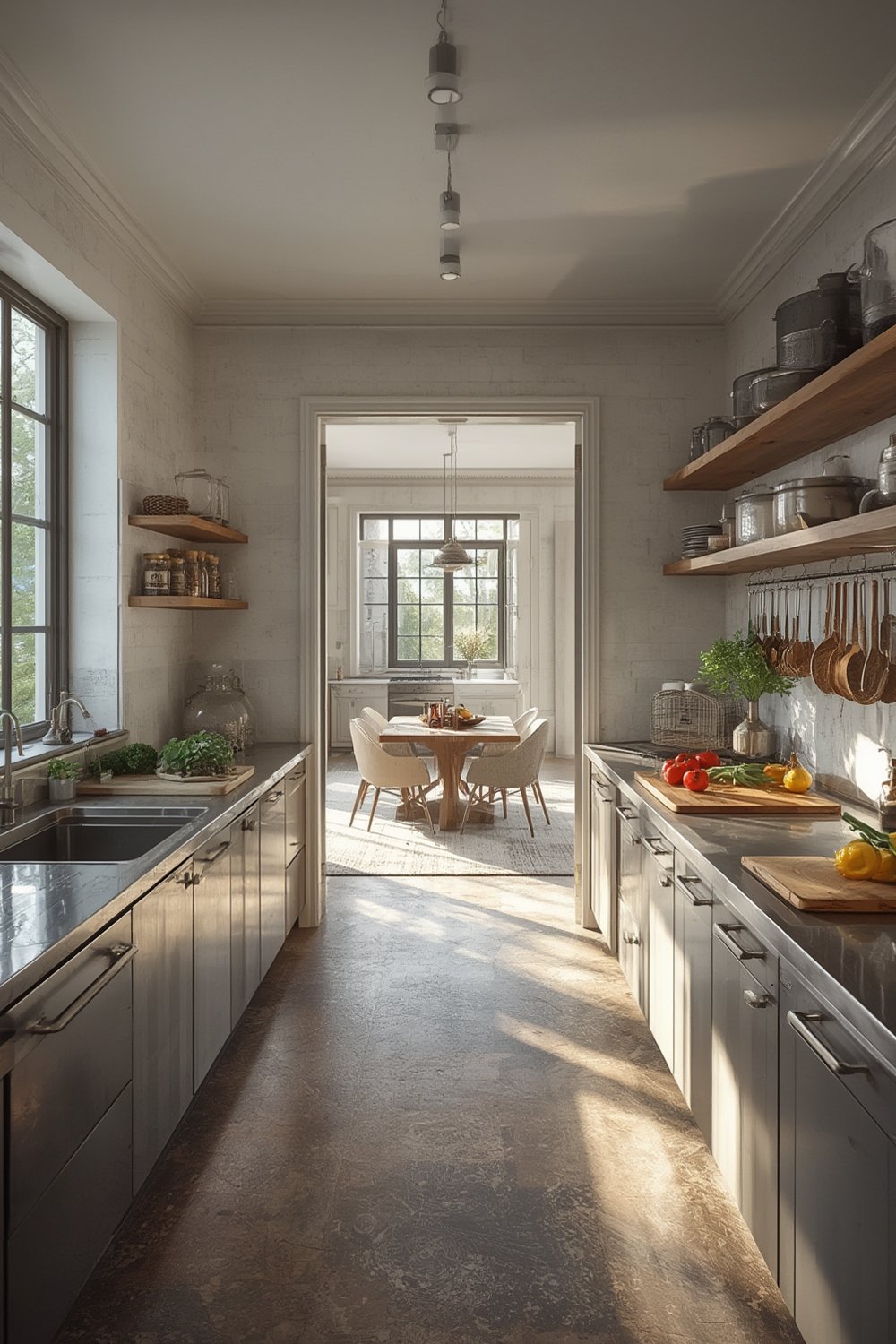
According to the 2024 Houzz US Kitchen Trends Study, median spend on major remodels hit $55,000—up 22%. 64% of homeowners now want completely open kitchens, increasing the need for secondary spaces to hide prep mess. Trends highlighted in the 2024 NKBA Kitchen Trends Report show high preference for dedicated prep and beverage zones, as well as concealed appliances for a seamless main kitchen.
Dirty kitchens originated in cultures where serious cooking involved smoke, frying, and heavy aromas. Today, they offer a practical solution for enthusiasts and busy families who need more than a single, pristine kitchen.
How to Plan a Dirty Kitchen Design: Step-by-Step Guide
Ready to add a dirty kitchen to your remodel or new build? Follow these realistic, actionable steps:
- Define your needs: List what you cook most often, who will use the space, and which tasks (prep, cooking, baking, cleaning) should be out of sight.
- Evaluate available space: While there are no fixed rules, most dirty kitchens require at least 40–70 square feet for basic functionality. Maximize efficiency—don’t oversize and eat up valuable living area.
- Plan workflow zones: Set up clear areas for washing, prepping, cooking, and storage. Use the kitchen triangle philosophy but adapted for smaller, more utilitarian spaces.
- Prioritize easy-clean materials: Quartz countertops and luxury vinyl flooring are trending for low maintenance and high durability, according to leading home design insights.
- Select essential appliances: Focus on heavy-use items—think induction cooktop, dedicated range hood, compact dishwasher, and an extra sink. Conceal or stack where possible.
- Get serious about ventilation: Install a high-CFM range hood or ventilation fan, especially if deep-frying or grilling is on your menu. Poor airflow defeats the purpose of a dirty kitchen.
- Build in smart storage: Use pull-out shelves, vertical cabinetry, and appliance garages. For product ideas, explore kitchen storage hacks.
- Maximize accessibility: Think motion-sensor lighting, easy-reach drawers, and clear countertop work surfaces for safety and speed.
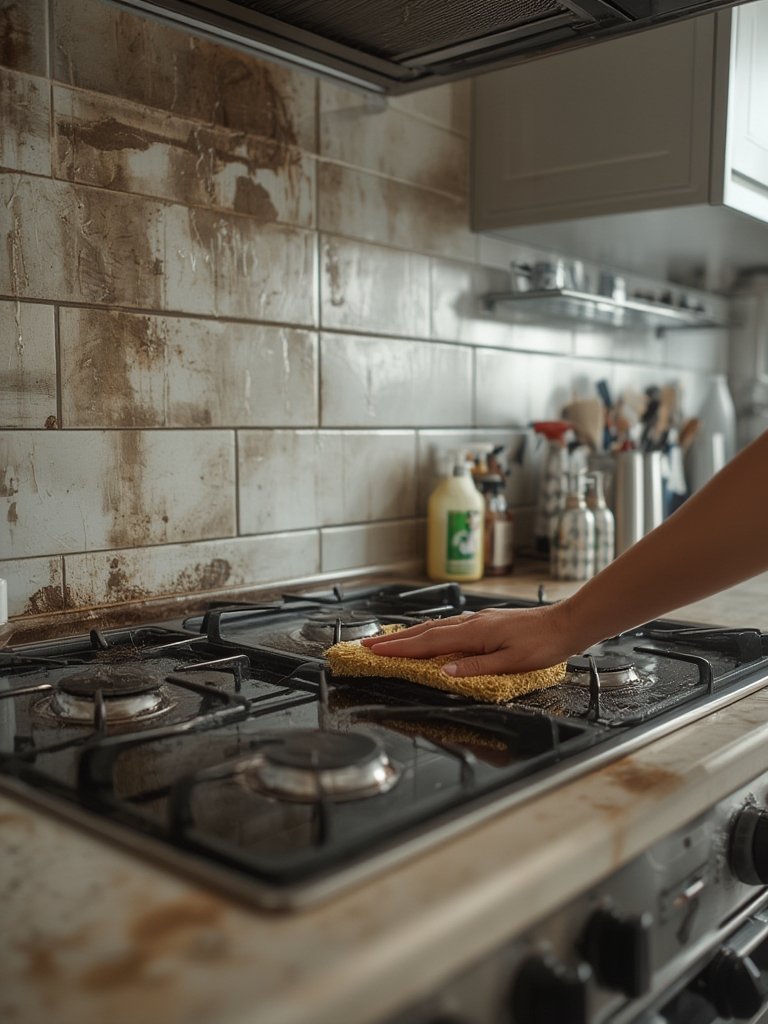
- Integrate cleaning stations: Consider a deep sink, disposal system, and waterproof finishes to make post-cooking cleanup fast and easy.
- Connect utilities safely: Work with professionals for plumbing, electric, and ventilation; code compliance is essential (these requirements vary by market).
Want deeper design inspiration or storage strategies? Check out advice on kitchen organization and space optimization and pantry organization for small footprints.
Advanced Analysis & Common Pitfalls in Dirty Kitchen Design
With dirty kitchens trending, it’s easy to overlook major issues—many homeowners assume any secondary kitchen space automatically improves a home. But get the details wrong, and you could create more frustration, not less.
Common Pitfalls in Dirty Kitchen Design
- Poor ventilation: Too-small fans or improper ducting quickly turn your back kitchen into a smoke box, driving odors into the main living space.
- Inefficient layout: Placing the sink, stove, and fridge too far apart ruins workflow and can make quick prep feel like a chore.
- Hard-to-clean materials: If you choose porous stone, grout-heavy tile, or low-quality cabinetry, you’ll deal with constant scrubbing and water damage.
- Storage neglect: Underestimating how much room utensils, pantry items, and bulky pots take up can leave your dirty kitchen cluttered and your main kitchen even messier.
- Duplicate appliances without real need: Installing a full-size double of every main appliance is a costly mistake unless your cooking style truly demands it.
- Ignoring codes and permits: Secondary kitchens can trigger zoning or insurance issues, especially with plumbing and gas. Check local rules before building.
For more compact storage and vertical organization hacks, see creative wall storage solutions and space-saving design strategies.
Comparison Table: Dirty Kitchen vs. Scullery vs. Butler’s Pantry
| Feature | Dirty Kitchen | Scullery | Butler’s Pantry |
|---|---|---|---|
| Primary Function | Heavy cooking, cleaning, messy prep | Washing, light prep, dish storage | Storage, plating, beverage/snack stations |
| Key Appliances | Cooktop, range hood, deep sink | Sink, dishwasher, small appliances | Wine fridge, coffee center, extra cabinets |
| Surface Materials | Heat and stain resistant, easy-clean (Quartz countertops, vinyl) | Waterproof, low-maintenance | Aesthetic finishes, open shelves, closed storage |
| Link to Main Kitchen | Direct or nearby, often with door/partition | Adjacent, typically with partial separation | Between kitchen and dining/entertaining areas |
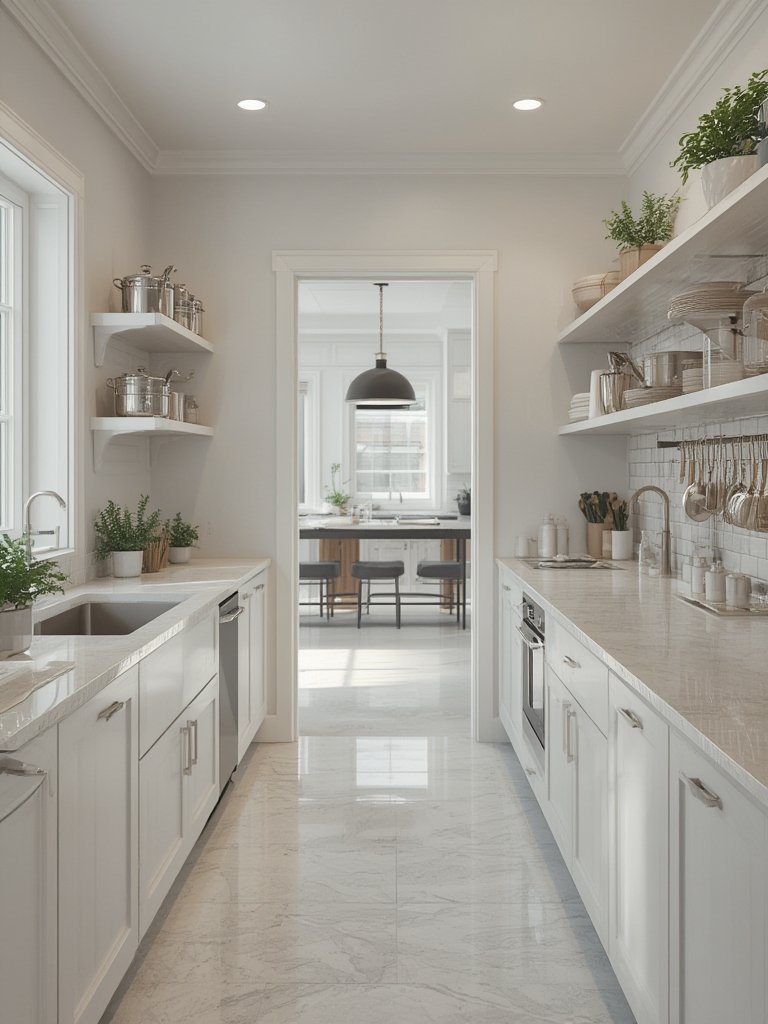
For more on how to maximize even the smallest kitchen footprint, our guide to optimizing compact kitchens is a must-read.
Conclusion
The right dirty kitchen design can transform your main kitchen into a cleaner, more inviting space—if you address real-world workflow, cleaning, and code realities. In 2024, smart homeowners focus on functional zoning, durable materials, and making sure every square foot (and dollar) truly pulls its weight. For more room-by-room space optimization, check out our storage space-saving design strategies. Ready to start your own project? Review key trends from the Houzz US Kitchen Trends Study 2024 and use our step-by-step approach for a dirty kitchen design that delivers on every level.
Get started now—plan your dirty kitchen design the right way and enjoy a cleaner, better-organized home.
Frequently Asked Questions
What is the ideal size for a dirty kitchen?
Most dirty kitchens require at least 40 to 70 square feet for basic prep and cleaning zones, but optimal size depends on your cooking habits and available floor plan.
Which materials work best in dirty kitchen design?
Quartz countertops and luxury vinyl or tile floors are recommended for their easy-clean properties and resistance to stains, heat, and moisture.
Can I install a dirty kitchen in a small house?
Yes—by using compact appliances, vertical storage, and creative layout tricks, even modest homes can benefit from a scaled-down dirty kitchen or scullery.
What permits or codes should I check before building a dirty kitchen?
Building and appliance codes vary by city. Always verify ventilation, plumbing, and electric requirements with a licensed contractor or local inspector.
Does a dirty kitchen add resale value?
Well-integrated secondary kitchens are increasingly attractive, especially in high-end homes, but poor design or code problems can reduce appeal. Focus on smart workflow and compliance to maximize value.