

Dirty kitchen design is quickly moving from luxury trend to everyday necessity for homeowners who want a cleaner, less cluttered main kitchen—especially when entertaining or batch cooking. Whether you call it a scullery, prep kitchen, or back kitchen, this secondary workspace is all about organization, hiding the mess, and making life simpler in your main kitchen area.
Key Takeaways
- Dirty kitchen design separates messy tasks and storage from your main kitchen, keeping entertaining zones clean and presentable.
- Proper planning and workflow optimization are crucial—many homeowners struggle with awkward appliance placement or cramped circulation.
- Ventilation, specialized storage, and smart appliance choices are often overlooked but essential for a functional prep kitchen.
- The Core Concept: What is Dirty Kitchen Design and Why Does It Matter?
- Step-by-Step Guide: How to Plan and Build a Dirty Kitchen
- Advanced Analysis & Common Pitfalls in Dirty Kitchen Design
- Conclusion
- FAQ
The Core Concept: What is Dirty Kitchen Design and Why Does It Matter?
A dirty kitchen design is a secondary space—often called a scullery, prep kitchen, or back kitchen—used to handle messy or heavy-duty kitchen tasks such as meal prep, batch cooking, and cleanup. The main reason more families are investing in dirty kitchen design is simple: it keeps the primary kitchen free for entertaining and daily living.
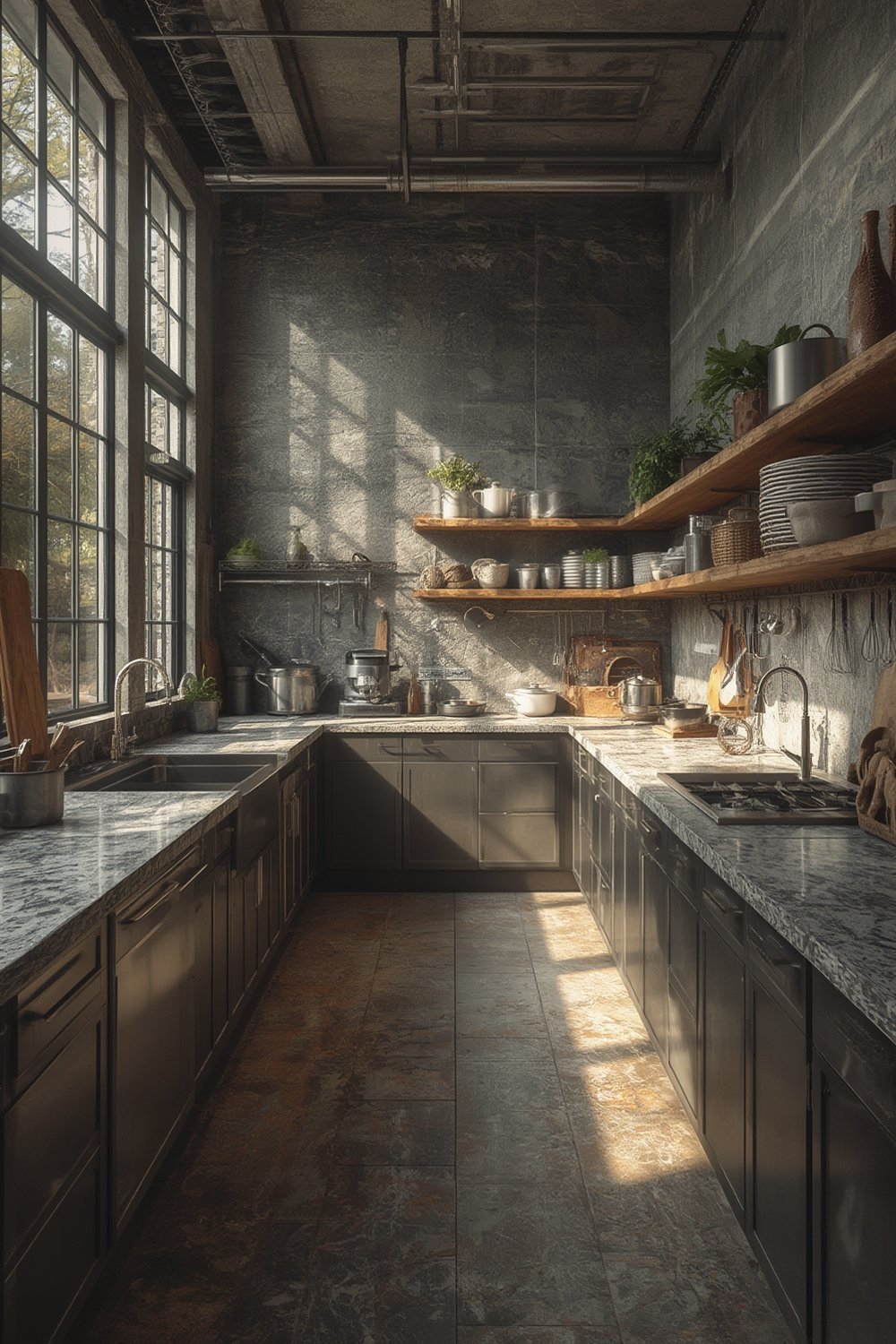
In 2024, sculleries and butler’s pantries are becoming more common, especially in new builds and high-end remodels. With open-plan layouts, the kitchen is often visible to guests, making it crucial to keep messier tasks out of sight. Recent design reports highlight a growing demand among homeowners who frequently host or batch-cook. Dirty kitchen design provides extra storage for appliances, serves as a wash-up area after parties, and absorbs the chaos of food preparation, so your main kitchen stays tidy.
This approach isn’t limited to mansions—many urban homes now carve out “back kitchens” from unused storage rooms or by extending pantries. The end goal is always the same: create a functional, well-organized buffer so daily life and entertaining look effortless on the surface, even when things are hectic behind the scenes.
Step-by-Step Guide: How to Plan and Build a Dirty Kitchen
Building an effective dirty kitchen starts with careful space planning. Here are the main steps to follow if you want a secondary kitchen that truly works:
-
Assess Your Available Space
Identify any walk-in pantry, underutilized nook, or layout “dead zone” adjacent to your main kitchen. Even areas as small as 5 to 7 feet wide can work with aggressive vertical storage and a single run of cabinets. If you’re optimizing a compact kitchen, check out these small kitchen design strategies for maximizing usable square footage. -
Plan Circulation and Workflow
Map your work triangle—sink, refrigerator, and main prep area—within the dirty kitchen. Place appliances so that loading, unloading, and moving between stations doesn’t cause bottlenecks. Avoid putting dishwashers in corners or ovens without adjacent landing space. Open shelves and tall end cabinets at the entrance help with accessibility but must not block doorways. -
Prioritize Specialized Storage
Allocate deep drawers for heavy pots, internal organizers for baking trays, and adjustable shelving for small appliances. Think beyond standard cabinets: vertical pull-outs are great for baking supplies; pull-down racks keep upper shelves accessible. Our roundup of kitchen storage hacks dives into innovative storage solutions. -
Address Plumbing, Electrical, and Ventilation Needs
Every dirty kitchen needs a deep, durable sink, washer-safe countertops, and multiple power points for stand mixers, blenders, or coffee machines. While most sources forget ventilation, plan for ducted exhaust or at least a high-quality recirculating vent if you plan to cook. Tactically-located floor drains can also make heavy cleaning easier, especially in very high-use homes. -
Select Hardwearing, Easy-to-Clean Materials
Cabinets and shelving should be robust, moisture-resistant, and able to handle sudden temperature swings. Matte finishes or textured laminates help hide fingerprints and scuffs. For compact spaces, check out creative vertical storage methods that won’t overload your cabinetry. -
Integrate Hidden Storage and Flexible Features
pocket doors or flush panels let you disguise the dirty kitchen entirely when not in use. Panel-ready appliances, removable shelves, and concealed pull-out cutting boards also boost both flexibility and aesthetics.

Don’t forget: Your design’s success hinges not just on storage, but also ergonomic clearances. Maintain at least 36 inches of walkway for comfortable movement. Check out additional tips on kitchen organization to fine-tune the details.
Finally, if your existing kitchen has blind corners or odd angles, consider a full floor plan rework. In this before-and-after case study, relocating a refrigerator and wall ovens created better symmetry, fixed the workflow, and opened up the scullery for easier access and utility.
Advanced Analysis & Common Pitfalls in Dirty Kitchen Design
A good dirty kitchen design isn’t just about adding cabinets or a second sink. Without careful attention to workflow, ventilation, and material selection, problems can pile up quickly. Real-world complaints range from minor annoyances to expensive mistakes that undermine the space’s usefulness.
| Potential Problem | Impact | Solution or Prevention |
|---|---|---|
| Dishwasher near corners or tight walkways | Cabinet doors collide; awkward to unload dishes | Stick to linear or L-shaped layouts with at least 18” clearance on both sides |
| Refrigerator too far from sink/prep area | Disrupts the workflow triangle, extra steps, less efficient prep | Cluster main appliances for minimal movement between tasks |
| U-shaped or protruding shelves at the entrance | Creates obstacles, disrupts traffic, feels cramped | Use slimline or open storage and avoid overfilling entry zones |
| No/poor ventilation for cooking tasks | Lingering odors, heat buildup, increased cleaning | Install ducted range hood, or at minimum, a strong recirculating exhaust |
| Materials unsuited to moisture/high-use | Swelling, warping, or premature wear | Spec moisture-resistant cabinetry, sealed countertops, and tile/aluminum splashbacks |
| Over-reliance on vertical storage | Hard to access, risk of overload or dangerous stacking | Mix tall storage with pull-down racks or internal organizers |
| Electrical outlets placed too far from appliance zones | Messy cables, limited flexibility | Plan multiple, dedicated outlets for each workstation |
Competitor articles often skip these pitfalls, which homeowners face after construction. For example, few guides mention ventilation, but real dirty kitchens often double as coffee stations or fry zones—meaning grease and smoke can quickly become a problem without proper ducting. More details here.
Material selection matters even more in utility zones. Moisture-resistant cabinetry and hard-wearing surfaces are non-negotiable for long-term use. For micro-spaces, try combining one-wall layouts with all-tall cabinets at one end and open shelving at the other—check out these countertop storage strategies for more inspiration.
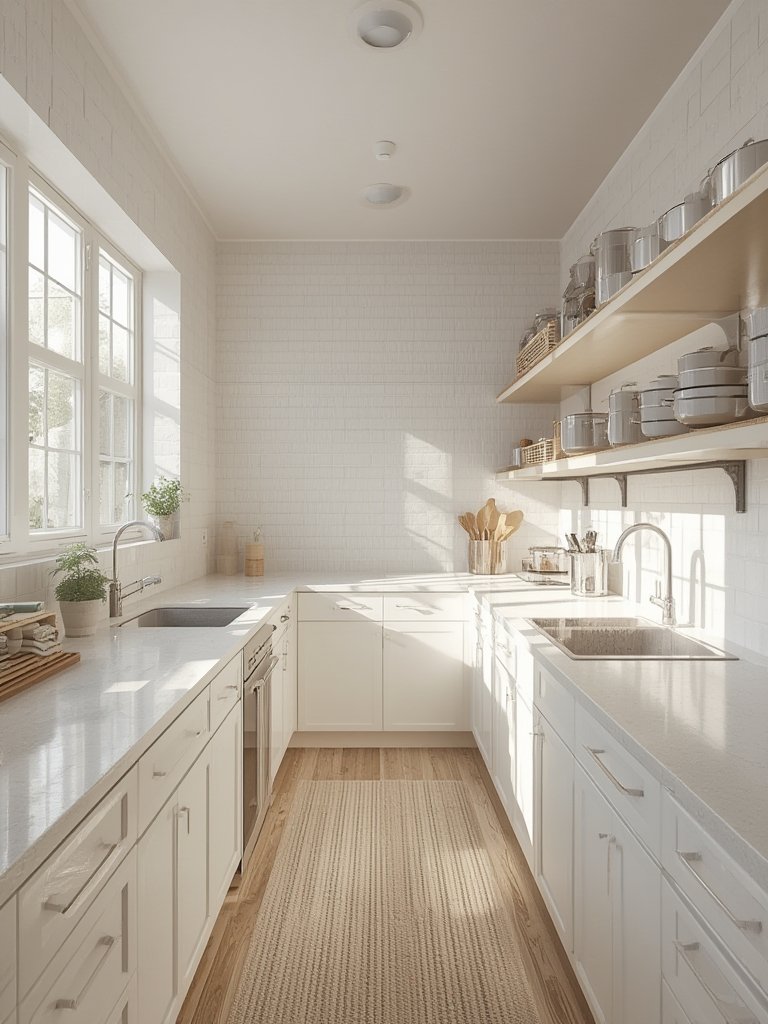
Finally, watch out for regulatory grey areas. No official US, UK, or AU code exists for scullery kitchens, but all plumbing, electrical, and exhaust work should be done to local standards. Factor in the cost and logistics of extra power points, water lines, and ductwork from the beginning.
Conclusion
Dirty kitchen design isn’t a fad—it’s a practical solution for anyone who wants a presentable, guest-friendly main kitchen and stress-free meal prep. By focusing on workflow, ventilation, and adaptable storage, you can create a secondary kitchen that takes care of mess without taking over your floorplan. If you’re ready to streamline your home with a dirty kitchen design, start with a realistic space assessment and don’t hesitate to invest in quality materials. Update your kitchen—your gatherings, cleanup, and daily life will thank you.
Ready to take your kitchen organization further? Explore our complete guide to space optimization and storage solutions for small kitchens for even more tips.
FAQ
What is a dirty kitchen design?
A dirty kitchen design is a secondary kitchen—also known as a scullery, prep kitchen, or back kitchen—used for messy or heavy-duty cooking and cleaning tasks. It helps keep the main kitchen cleaner and more presentable, especially when entertaining.
What are the main benefits of having a dirty kitchen?
The main benefits include keeping prep mess and noisy appliances out of sight, improving organization for cooking and cleanup, and maximizing entertaining space in the main kitchen. Many homeowners also find it streamlines meal prep and reduces daily cleanup stress.
Do I need special ventilation in a dirty kitchen?
Yes, good ventilation is essential if you plan to do any cooking in your dirty kitchen. special ventilation such as ducted range hoods or powerful recirculating vents help control odors, smoke, and heat—something many competitor guides neglect to address.
What are common mistakes to avoid when designing a dirty kitchen?
Avoid placing appliances in awkward positions, neglecting ventilation, using materials that can’t handle moisture, and overfilling vertical storage. Always allow for comfortable circulation and easy access to key appliances.
How much does it cost to build a dirty kitchen?
Costs vary based on size, location, and finishes. Extending a pantry into a scullery usually requires moderate investment in plumbing, electrical, and cabinetry—but as of 2024, no specific price ranges have been published for the US, UK, or Australia.